Visión Cero Objetivos

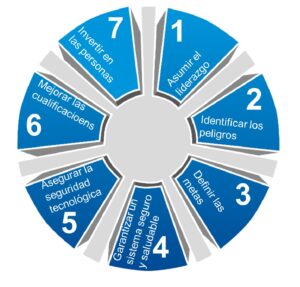
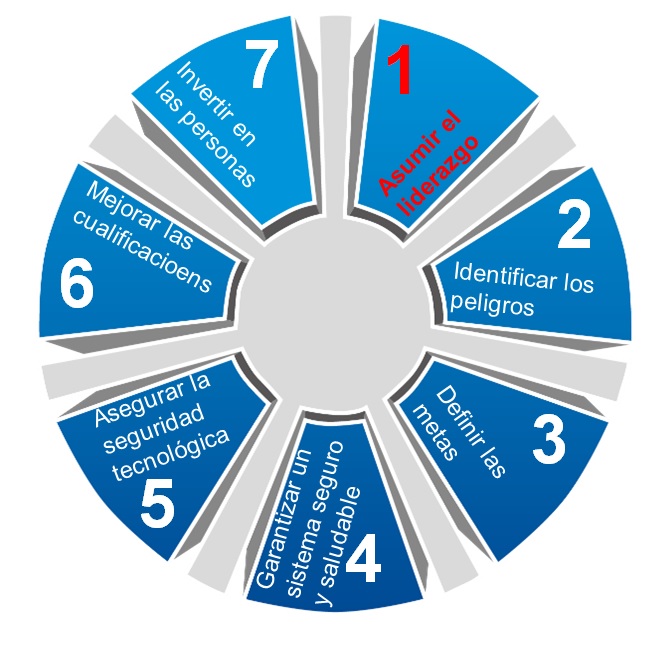
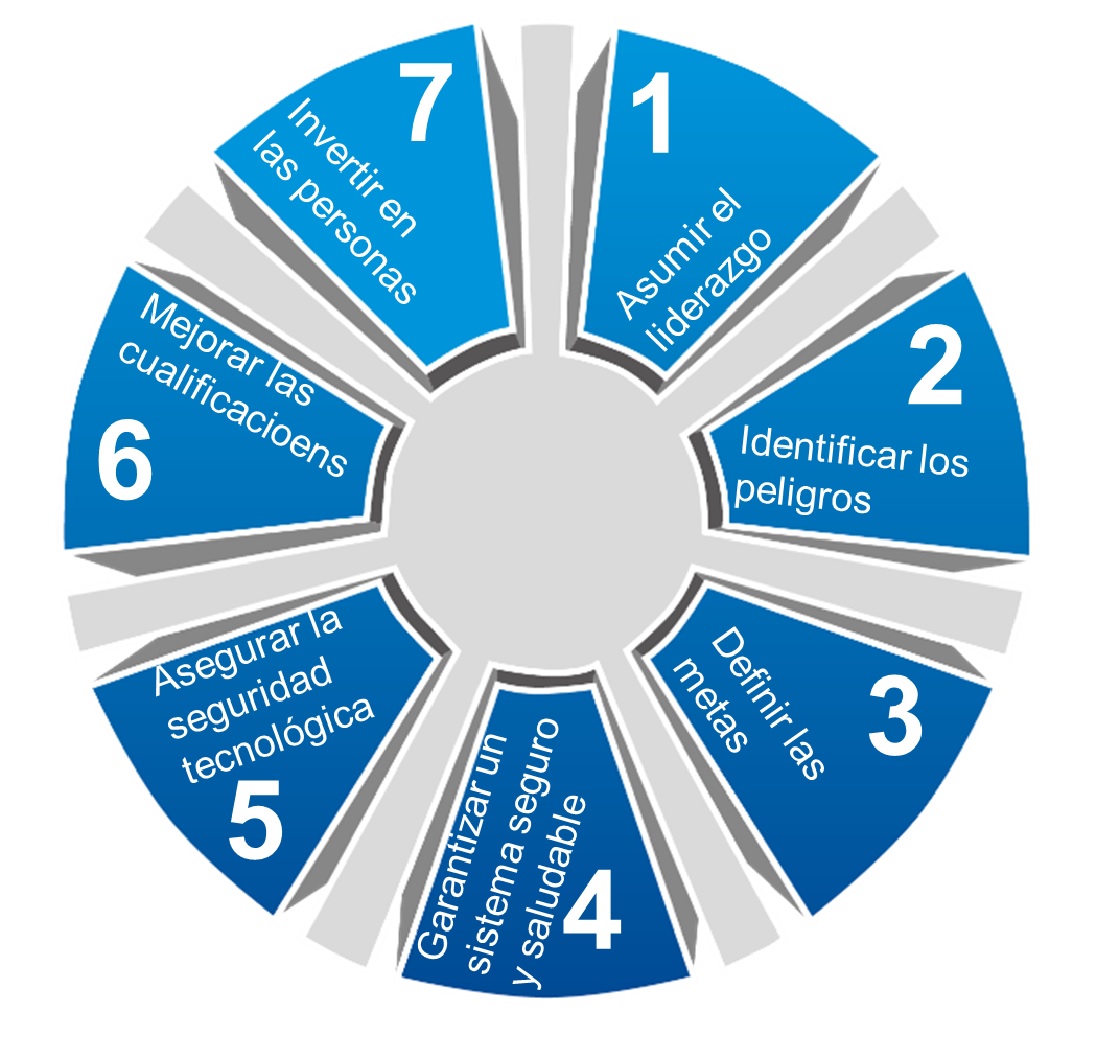
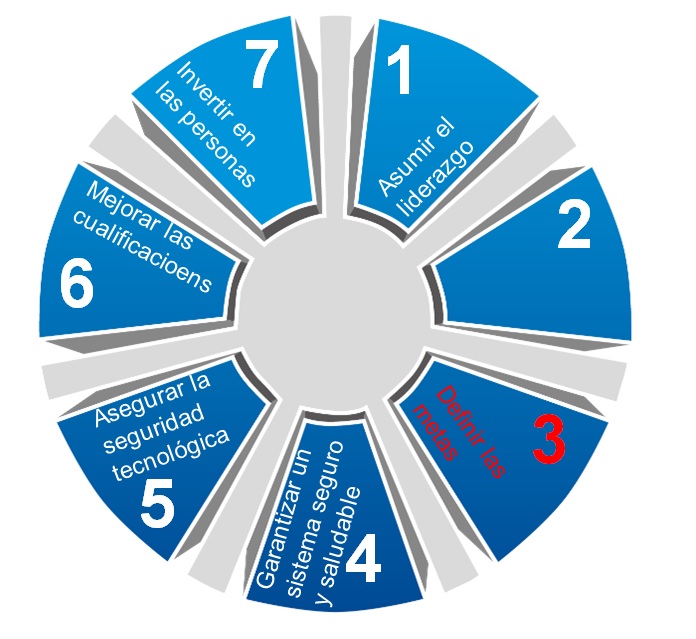
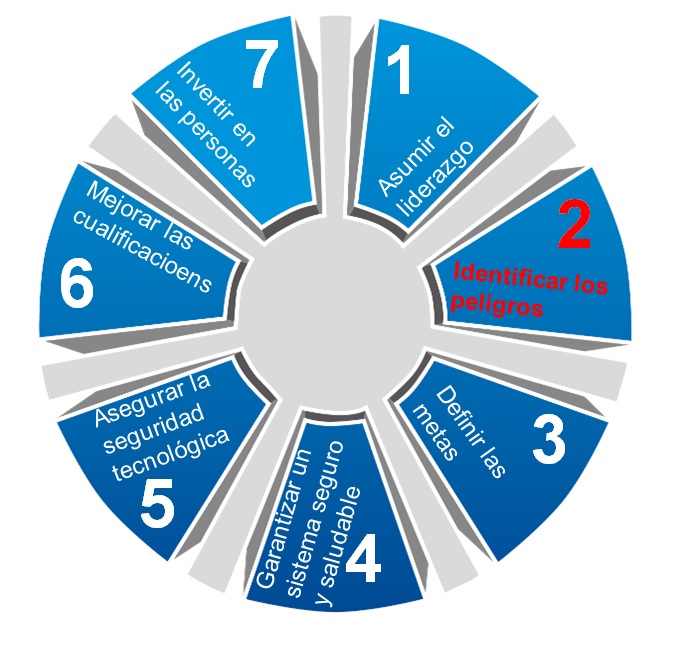
LAS SIETE REGLAS DE ORO

Descarga aquí el documento.

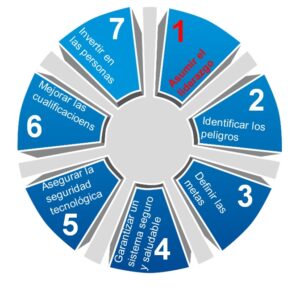
LIDERAZGO:

En sus orígenes la Fundación Espeleosocorro Cántabro, ESOCAN nace para dar un marco legal al trabajo de sus voluntarios en tareas de rescate en cavidades.

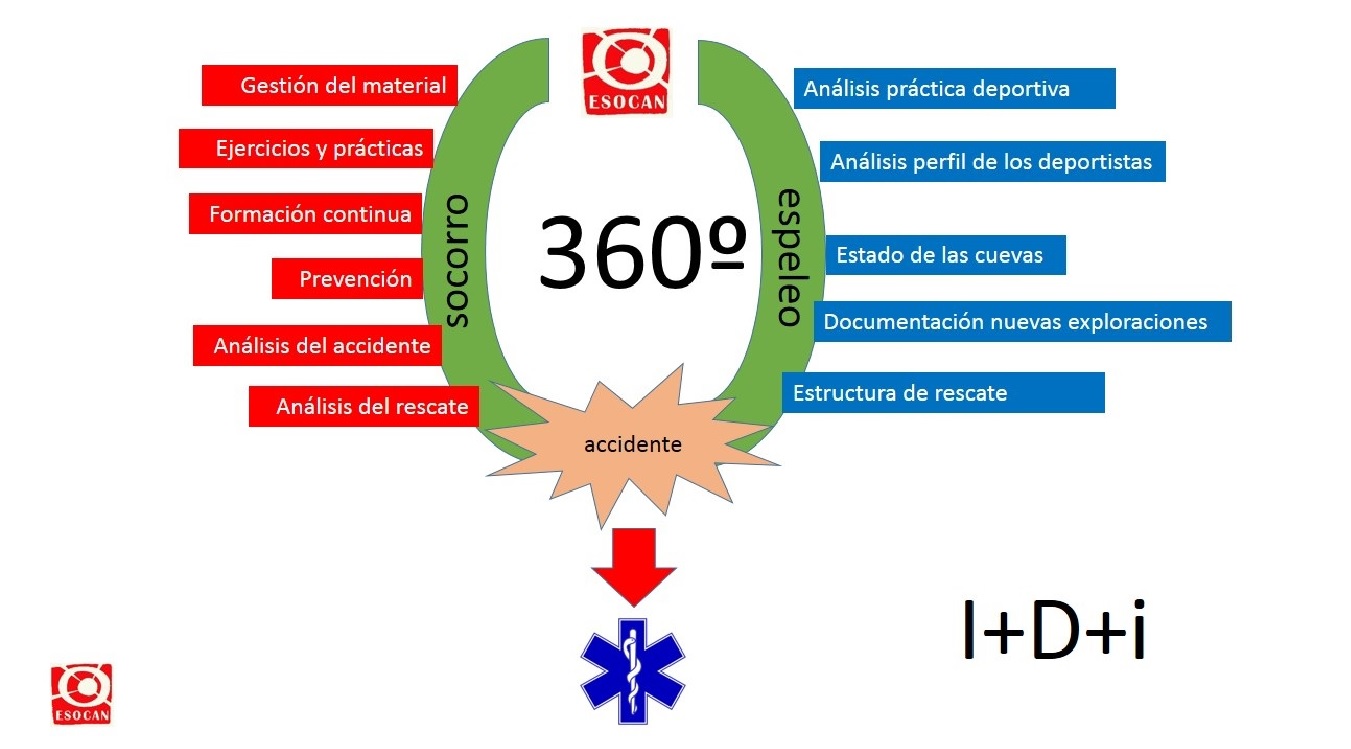
El enfoque reactivo que proponíamos se basaba en una visión holística de la misión con una estrategia 360º. Este modelo de grupo de rescate ha sido descartado por las autoridades regionales, que han apostado por tener una acción reactiva y solo actuar en caso de incidente. Por este motivo, sin abandonar nuestras capacidades de intervención y rescate comenzamos una fase mas proactiva, enfocada a la prevención de los incidentes espeleológicos. De esta forma asumimos el liderazgo de un proyecto de prevención de incidentes en la práctica de los deportes en la naturaleza basada en el modelo VISION ZERO.

Será un proyecto abierto a la participación de todos. Buscamos ser útiles al colectivo de personas que de forma habitual o puntual se acercan al mundo del deporte en la naturaleza. Estén federados o no, inscritos en un club o no.

Todos los documentos que generemos tendrán la condición de libre uso bajo licencia Creative Commons con las siguientes condiciones:

  • Attribution / Atribución (BY), requiere la referencia al autor original.
  • Non-Commercial / No Comercial (NC), obliga a que la obra no sea utilizada con fines comerciales.

IDENTIFICAR LOS PELIGROS:

En la literatura de gestión del riesgo en deportes en la naturaleza se habla de peligro como la probabilidad muy elevada de que se produzca una situación o acto potencial de daño en un periodo de tiempo corto o inmediato, independientemente de la gravedad (M. Taibo). Y define riesgo como la probabilidad de que se produzca un suceso no deseado, que se manifiesta al interaccionar con un peligro, y es inherente a la vida del hombre.

Esta metodología “clásica” de gestión del riesgo deja toda la responsabilidad del mismo al deportista, a su capacidad para realizar la evaluación y el cumplimiento de las medidas precautorias. Requiere además una intensa formación en esta materia y un profundo conocimiento del medio.

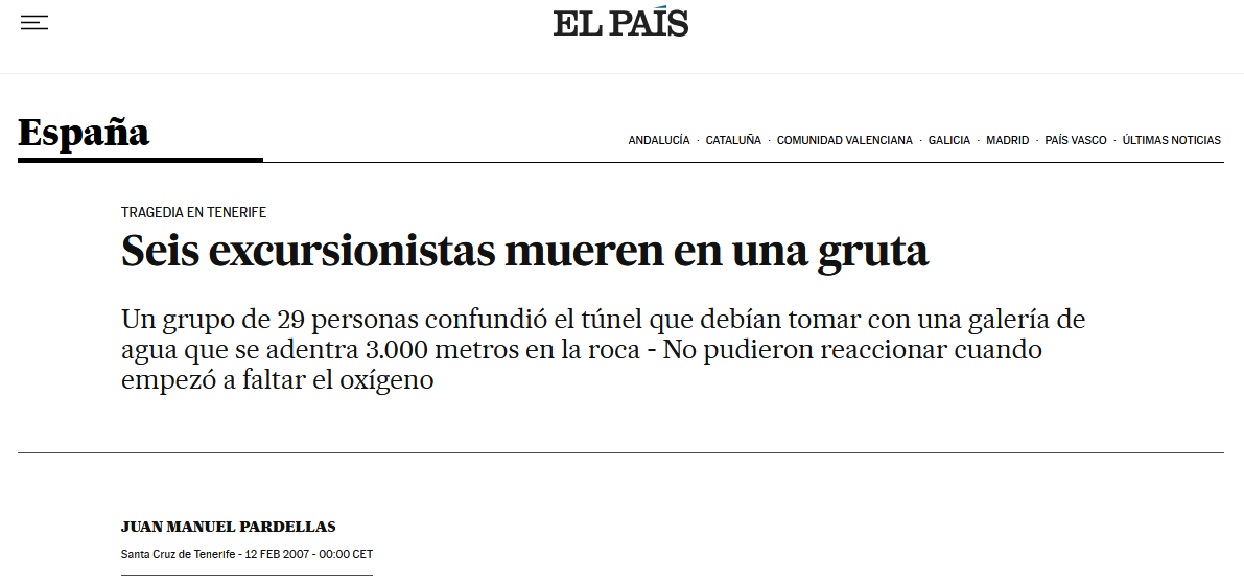
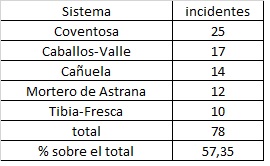
En espeleología los incidentes y accidentes, estadísticamente hablando se producen en un limitado numero de sistemas subterráneos y unas rutas muy concretas. El 60 % de los incidentes ocurren en 5 sistemas subterráneos.

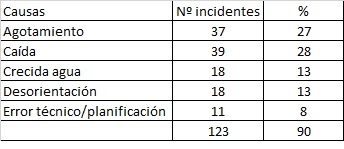
Por otra parte las causas/orígenes de los mismos también tienen una casuística similar y repetitiva. El 90 % de los incidentes tienen su origen en 5 causas genéricas.

Con este proyecto proponemos actuar sobre estos sistemas subterráneos y causas más probables de los incidentes con el objetivo de minimizarlos .

Como continuación y complemento a la descripción de las travesías clásicas realizada por el Club Viana nos comprometemos a realizar evaluaciones de peligros y riesgos objetivos. Aportaremos fichas de riesgos y listas de chequeo.

Nos limitaremos a los riesgos objetivos, dejando los subjetivos y de grupo a los deportistas que encaren las travesías, pero facilitándoles listados de preguntas clave, listas de chequeo y consejos, de tal forma que la fase final de la evaluación del riesgo sea casi inmediata e invite a los deportistas a reflexionar sobre la actividad programada.

El uso de las tecnologías de la información, códigos QR, apertura de canales de comunicación y asesoramiento etc. Serán las herramientas de prevención  utilizadas. Cuanto mayor sea el colectivo que demande y aporte información mejores serán las acciones preventivas y más útil será el sistema implementado. Invitamos a los grupos de rescate regionales a ser vectores de participación y dinamización del proyecto.

METAS:

Las metas del proyecto irán orientadas a las causas más probables de incidencias espeleológicas:

  • Agotamiento: evidentemente esta causa depende en primera instancia del estado físico del deportista y de los objetivos que se propone. Somos conscientes que para avanzar en el nivel de la actividad hay que abandonar la zona de confort y asumir nuevos retos deportivos. Esta meta la enfocaremos desde el punto de vista de la información de las rutas: track de acceso para garantizar una menor incidencia en la búsqueda de la boca de acceso. Complementar el excelente trabajo del Club Viana en las descripciones de las travesías clásicas. Balizamiento en el interior de la ruta. Reducción del nivel de estrés ocasionado sobre el deportista por instalaciones precarias…..

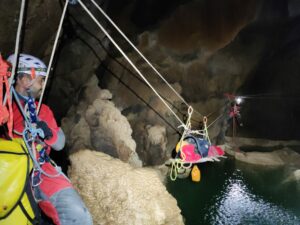
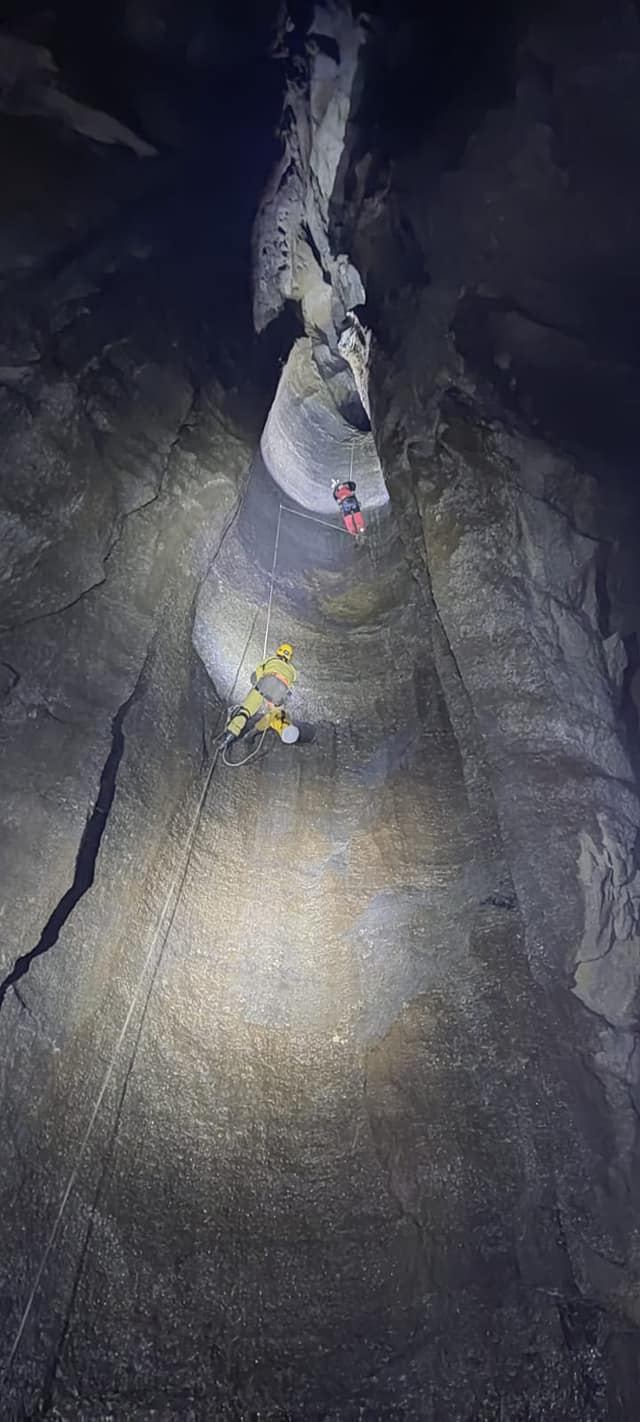
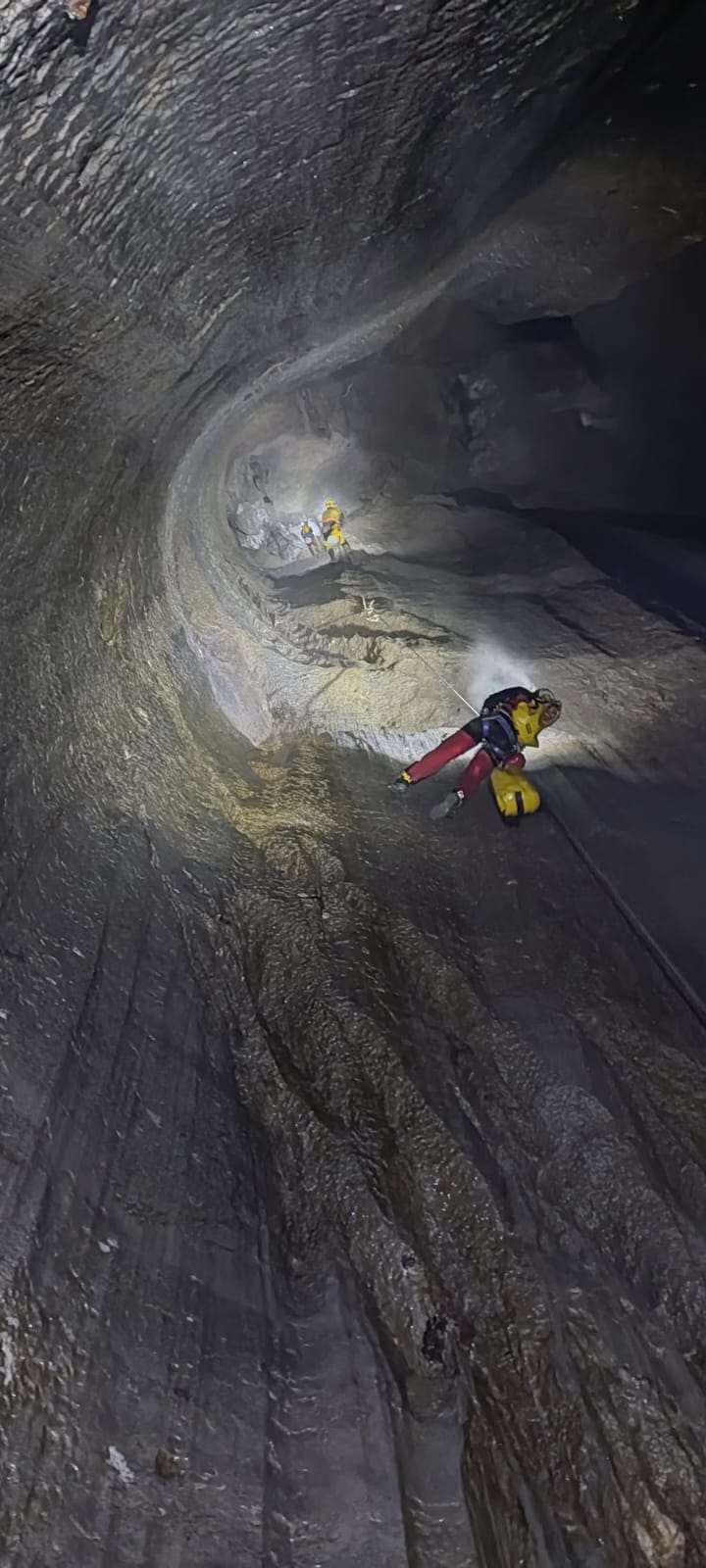
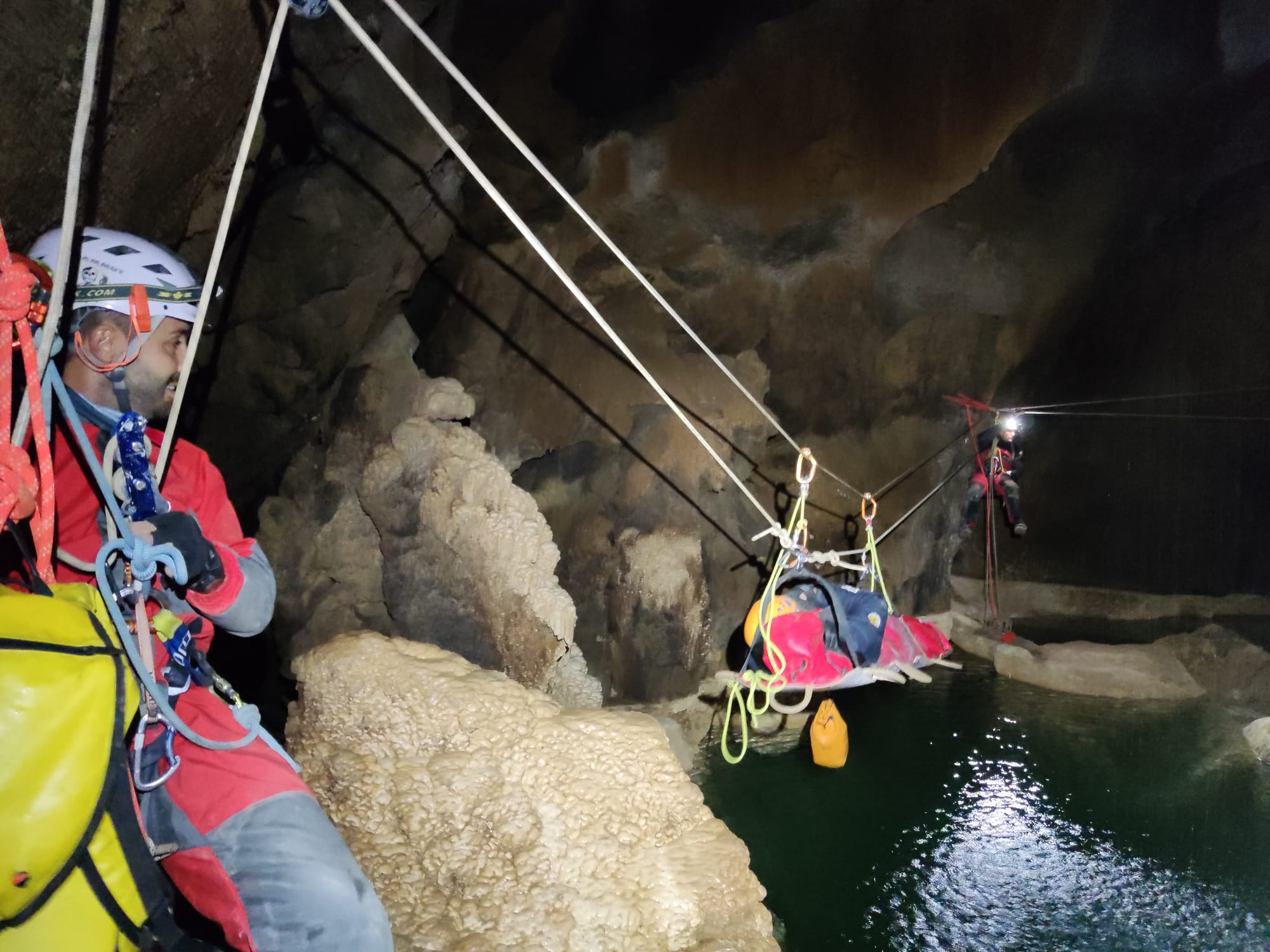
Rescate en Rubicera-Mortero

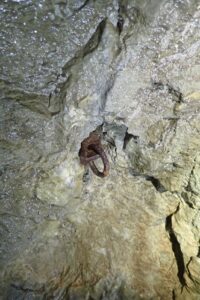
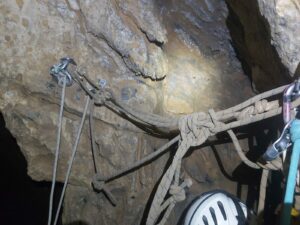
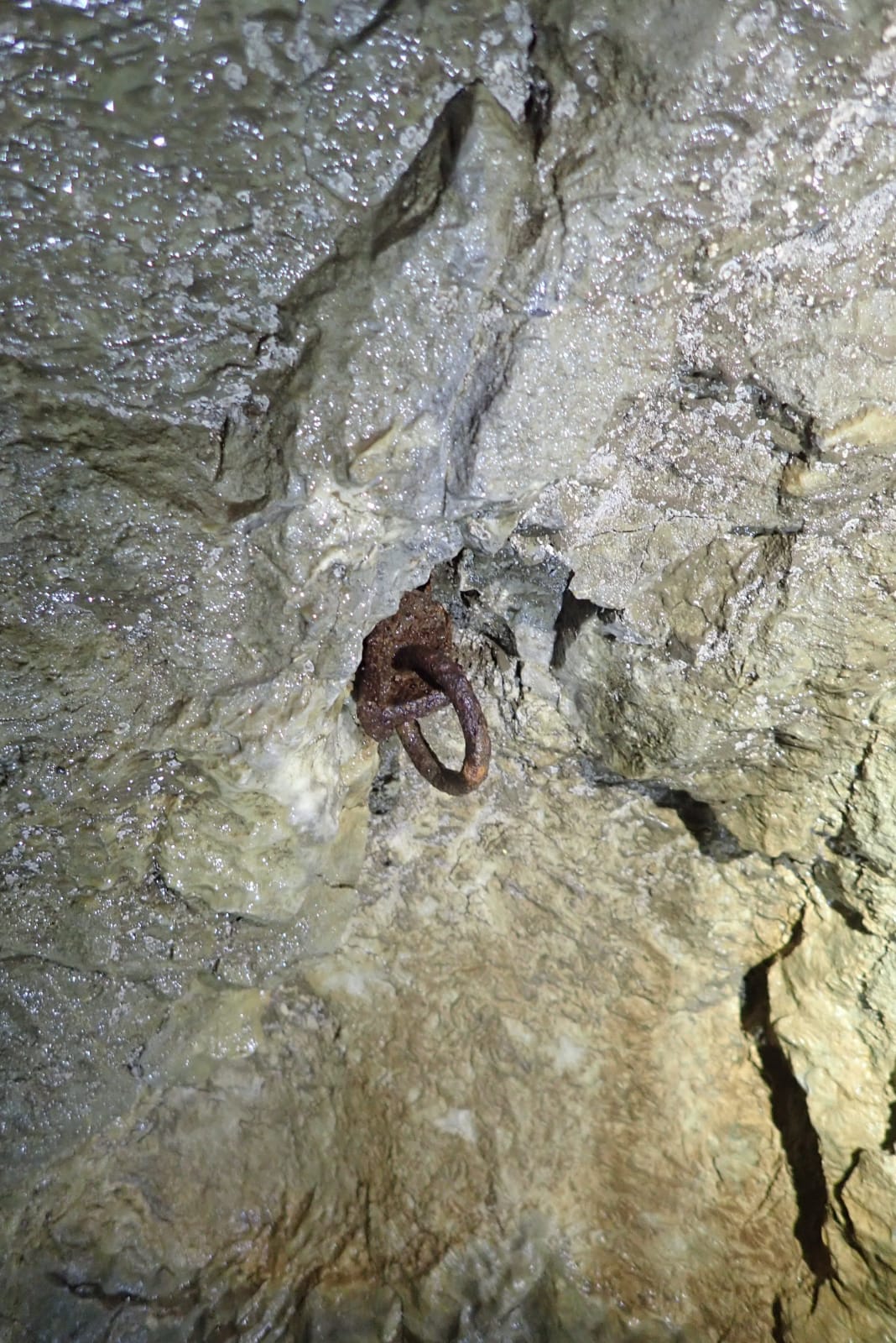
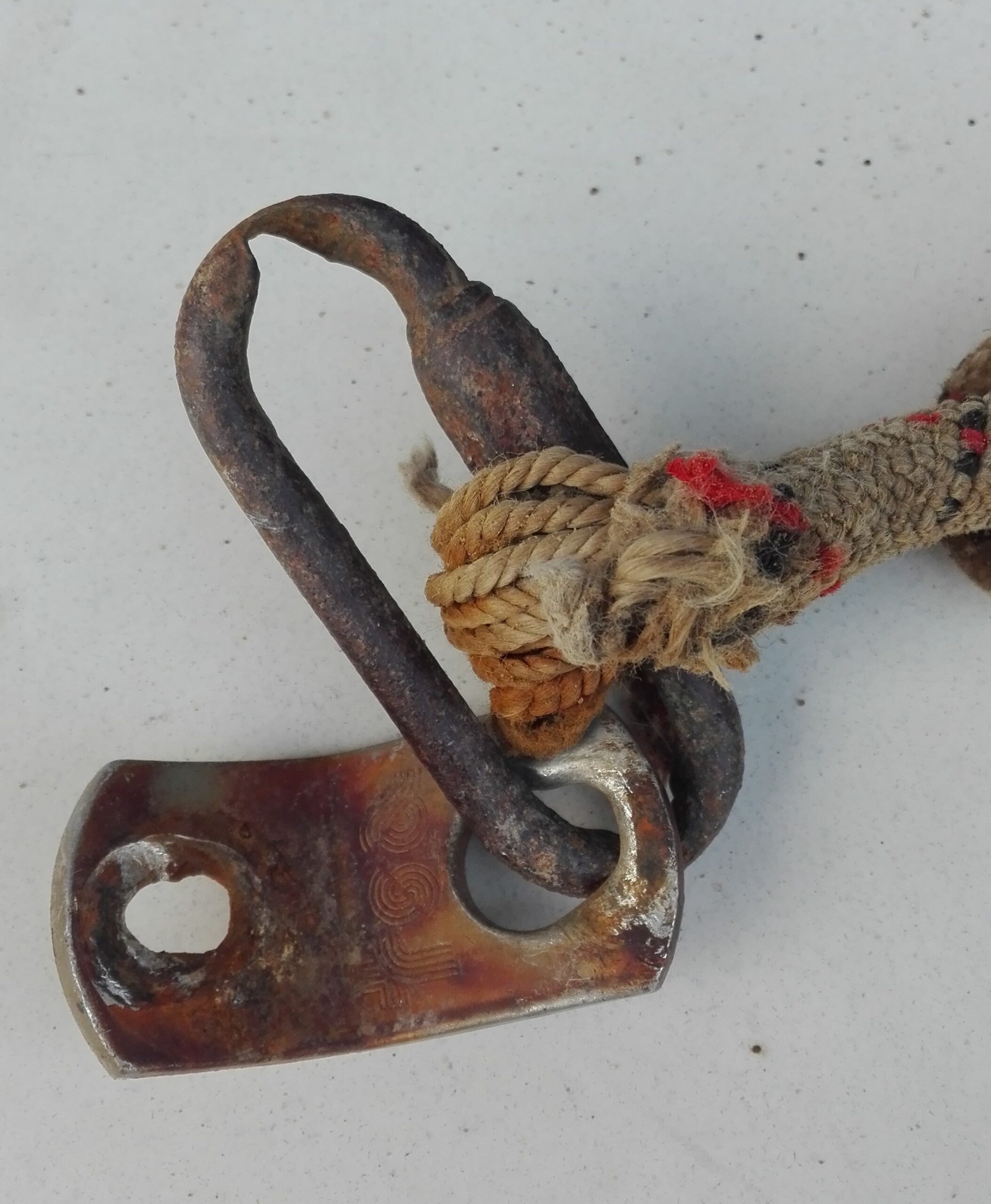
  • Caídas: el factor humano juega un papel importante en esta variable, pero el factor tecnológico también. El estado de las instalaciones de las travesías clásicas deja mucho que desear. En la actualidad no hay ningún actor relacionado con la espeleo que se haga responsable de forma sistemática de la revisión, reposición y mantenimiento de las instalaciones fijas. Esto, además de ser un elemento importante a la hora de agotar al deportista puede ser causa de, en el mejor de los casos retención de un equipo en el interior de una cavidad, o de accidente grave en caso de rotura en uso. Nos comprometemos en esta variable a:
  • Ser vector de información de las alertas de seguridad que otros deportistas nos trasladen relacionadas con el estado de las travesías.
  • Reposición de anclajes y cuerdas por materiales de larga duración en acero inox AISI 316 dentro de nuestras posibilidades económicas.

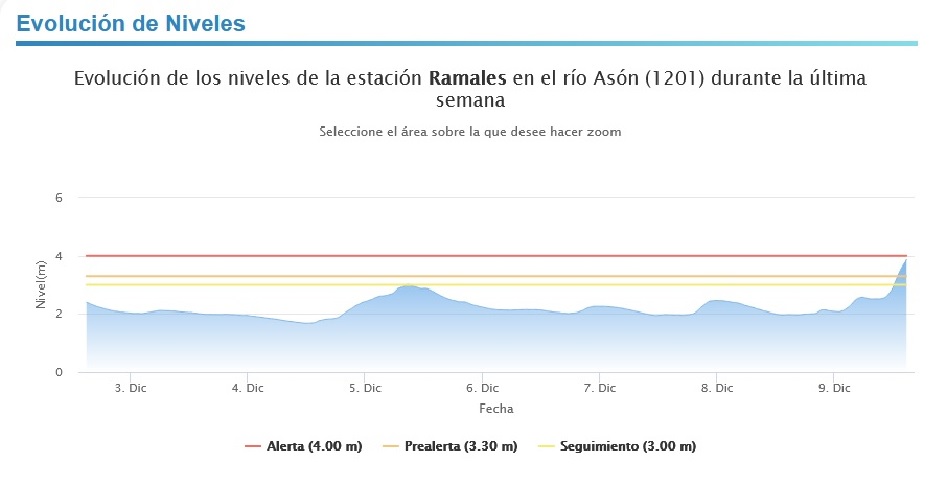
  • Crecidas de agua: la información meteorológica cada vez es mas exacta para un periodo de tiempo de 5 días vista, sin embargo para los deportistas que vienen de lejos, conocer el estado de los freáticos y el historial de lluvias de un periodo mas amplio es importante de cara a planificar rutas en curso hídrico activo.

Nos comprometemos a crear un sistema que correlacione los niveles de agua en las estaciones SAICA de los ríos Asón y Gándara con los de las zonas activas de las principales travesías.

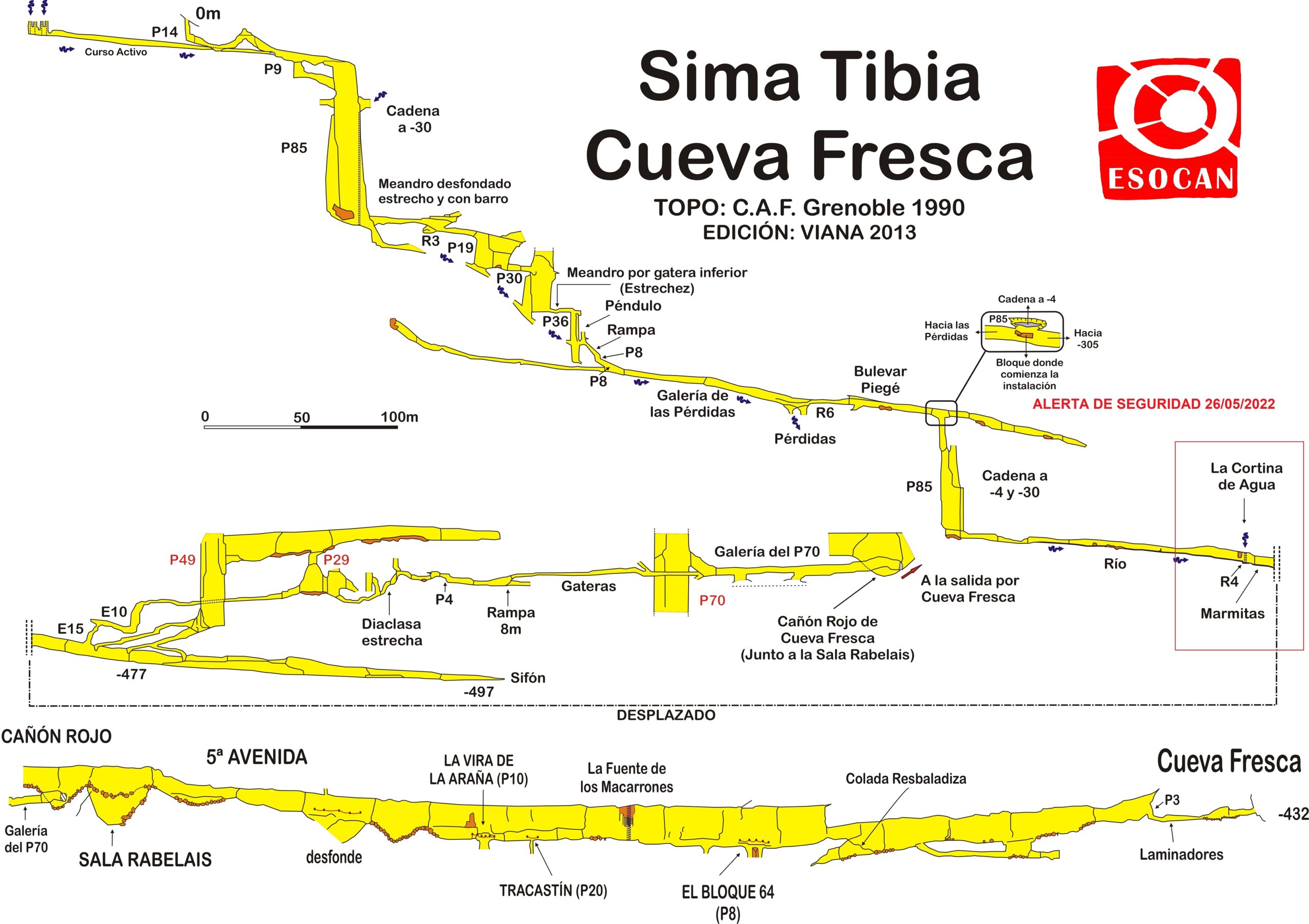
  • Desorientación: la orientación en el interior de una cavidad es un proceso complejo y que requiere cierta experiencia, tanto en la interpretación de los signos convencionales como en la lectura de brújula y campo. La incorporación de nuevos deportistas que acceden a este medio natural sin pasar por clubes o cursos de formación aumentan el riesgo de incidentes causados por pérdidas y posterior agotamiento. El trabajo del Club Viana con sus descripciones, topografías actualizadas y fotos han reducido este tipo de incidentes. Nosotros nos comprometemos a mejorar y ampliar esta información llevándola al interior de las cavidades por medio de tecnología NFC y tarjetas inteligentes que pueden ser leídas por un Smart phone. De esta forma en tiempo real un deportista perdido puede conocer de forma inmediata su ubicación en el interior de la cavidad. Esto no sustituye la obligación de llevar topografía completa de la cavidad. Iniciaremos un proyecto piloto en la travesía Tonio-Cañuela para posteriormente exportarla a la travesía Calígrafos-Gándara.

  • Error técnico: la base de los errores técnicos puede ser bien de una insuficiente formación o bien de un exceso de confianza. La formación básica de los deportistas corre por cuenta de los clubes de espeleología y la formación avanzada de las federaciones territoriales, sin embargo los esfuerzos en materia formativa de estos actores es en general escasa y en ocasiones impartida por deportistas voluntariosos pero con poca formación. Nosotros nos comprometemos a abrir nuestra aula virtual y sus contenidos formativos de forma libre (previo registro en la misma) y gratuita, para que tanto los clubes, como federaciones o deportistas a título individual, puedan configurarse un recorrido formativo a justado a sus necesidades.

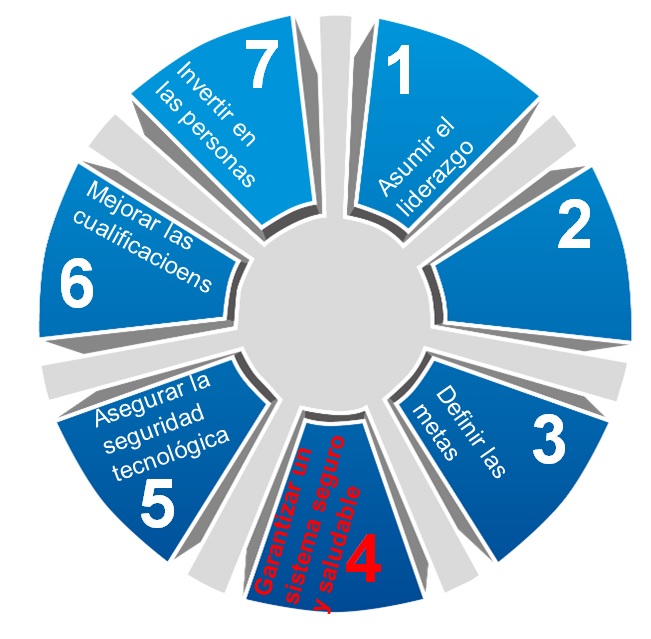
SISTEMA SEGURO Y SALUDABLE:

La salud y la seguridad van de la mano cuando coincide el consumo de drogas y actividades de riesgo. Aquellas pueden ocasionar en el deportista una mala valoración de la situación, una pérdida de reflejos o de atención etc. Somos conscientes del mundo en el que vivimos y no aspiramos a evitar el consumo . No pretendemos ganar la guerra, con ganar algunas batallas nos conformamos.

Un entorno en el que esta práctica ha de ser totalmente descartada es en el de las empresas y servicios de guías. De igual forma que el SEPRONA puso orden en el sector de los cazadores y el chupito mañanero, el GREIM tiene una gran  ventana de oportunidad en el sector del turismo aventura.

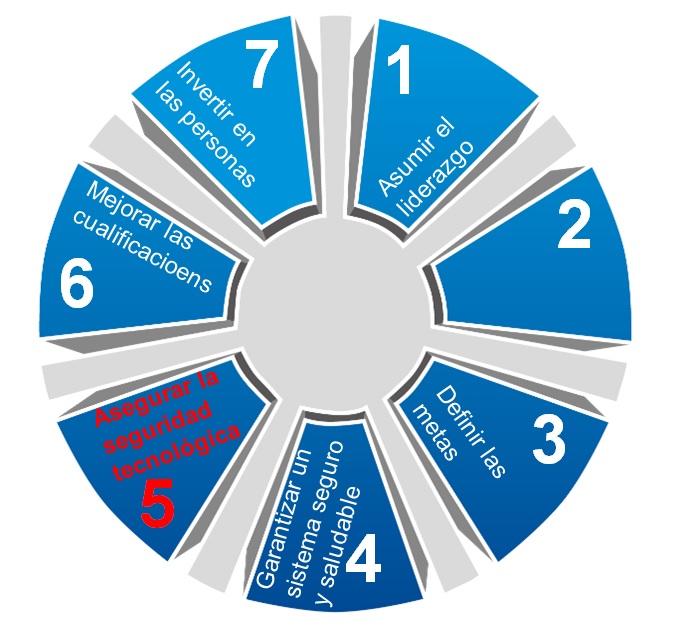
SEGURIDAD TECNOLÓGICA

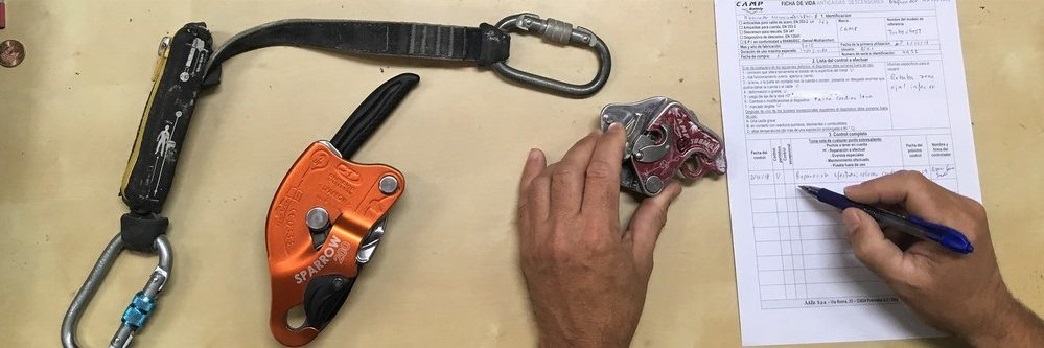
El mantenimiento, reposición y revisión de los equipos de protección individual es una tarea crítica y poco habitual entre clubes, federaciones y deportistas. Cada cual sigue unas pautas personales, cuando las sigue.

Nos comprometemos a establecer y compartir una metodología sencilla y amigable on-line que anime a los usuarios a su ejecución periódica. Además nos comprometemos a hacer campañas de concienciación mediante nuestras redes sociales y las de los organismos colaboradores.

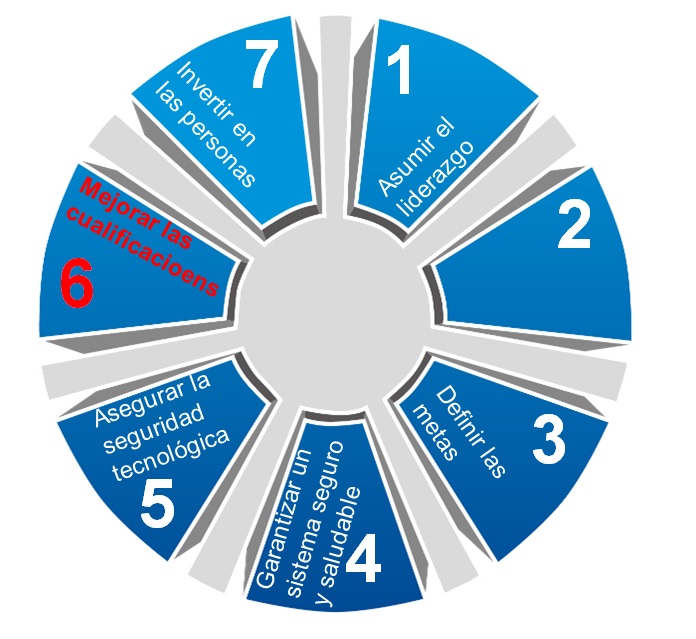
MEJORAR LAS CUALIFICACIONES

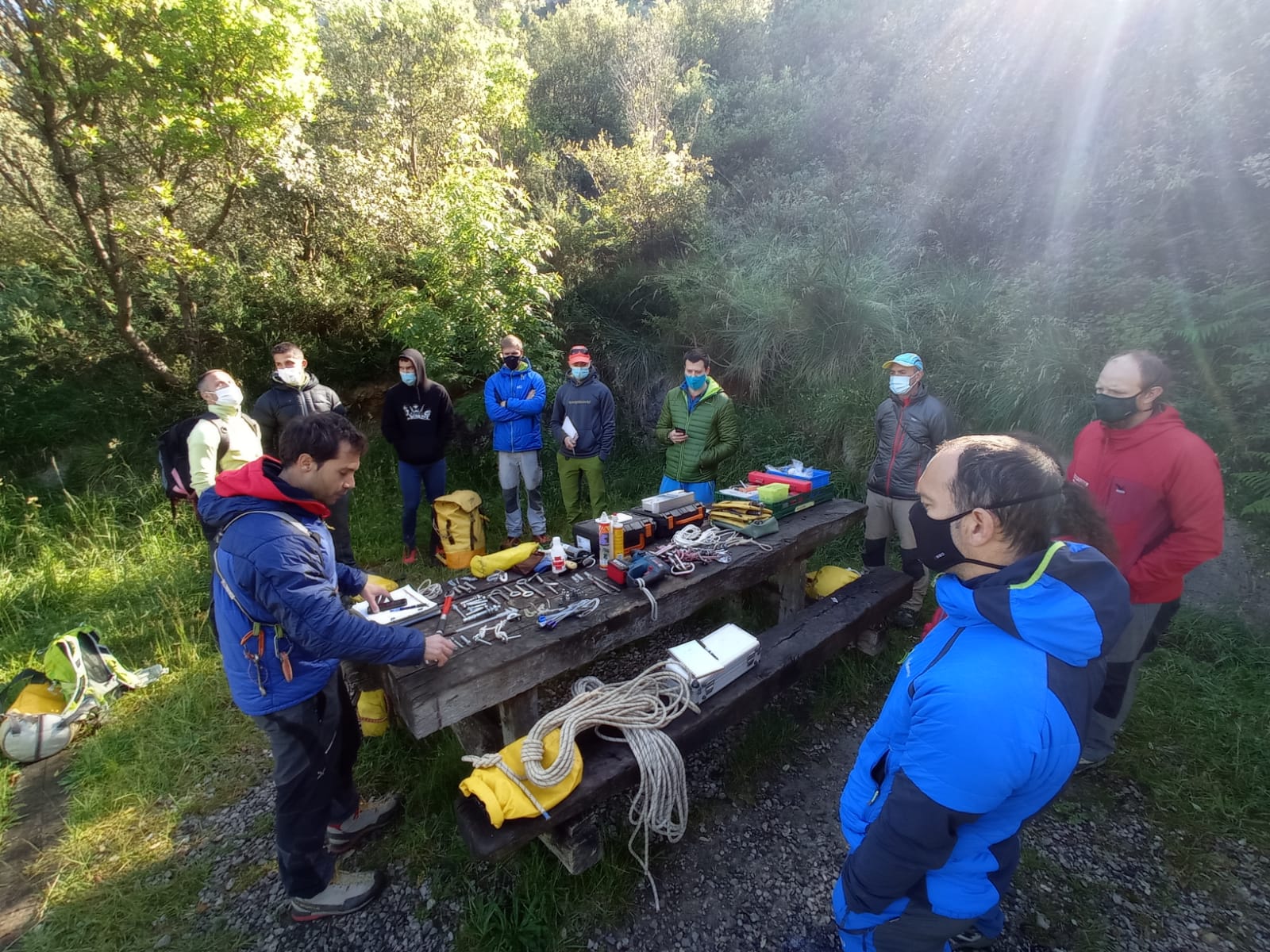
Una de las señas de identidad del ESOCAN es la formación continua, tanto formación reglada a través del Grado Medio de Técnico Deportivo en Espeleología y Barrancos, como en formación a deportistas o profesionales.

Nos comprometemos a continuar con nuestras acciones formativas que están abiertas a la participación de todos aquellos que lo deseen, tanto si son voluntarios de la fundación como si no.

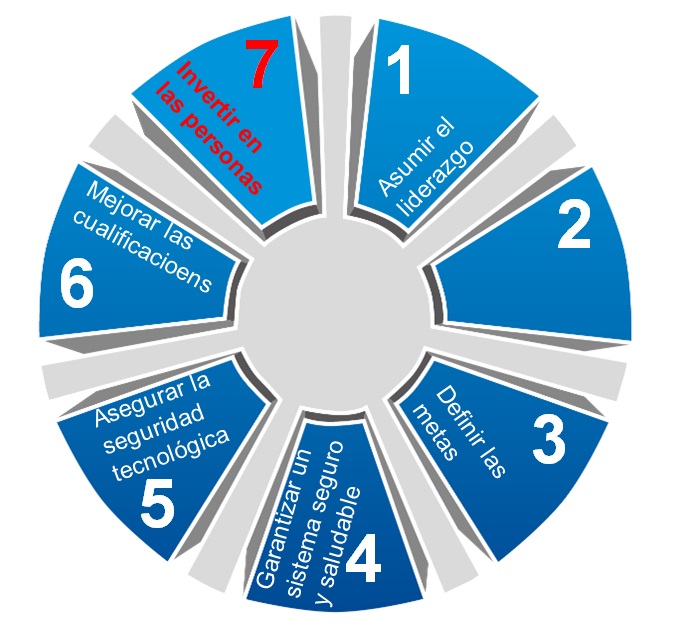
INVERTIR EN LAS PERSONAS

Ya desde el primer contrato firmado con el Gobierno de Cantabria tuvimos claro que trabajábamos para los deportistas accidentados y no para el propio Gobierno, que al fin y al cabo es el máximo responsable de Protección Civil de la Región. Sin embargo nuestra misión no era cumplir un contrato, si no estar lo suficientemente cualificados como para prestar ayuda a un compañero, que requiriera asistencia sanitaria o de otro tipo, en el interior de una cavidad. Siendo esta la mejor manera de cumplir con las obligaciones contractuales.

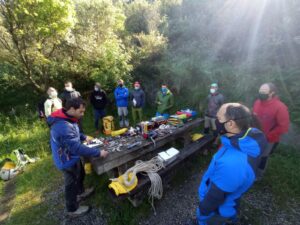
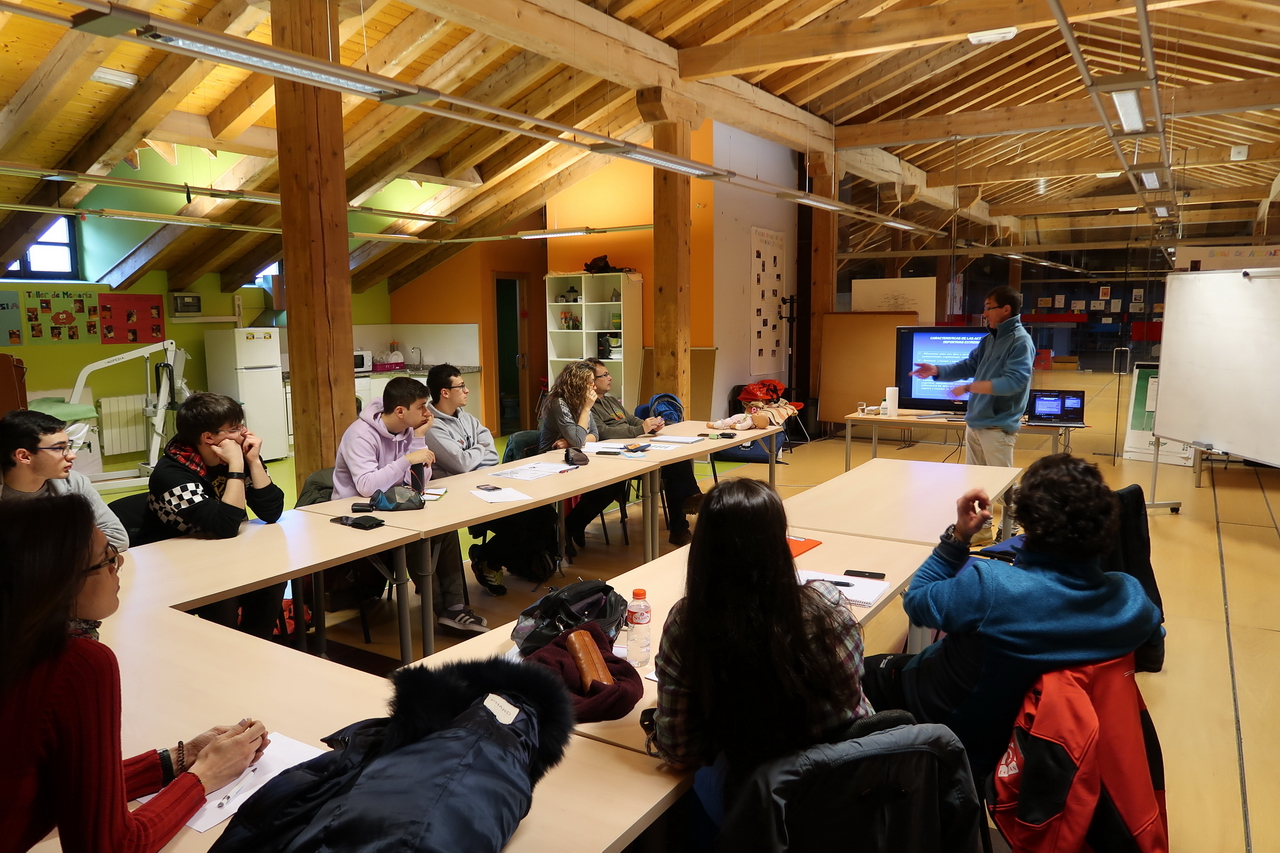
ESOCAN Curso de Primeros Auxilios y DESA 2018

El enfoque es idéntico en nuestra Escuela de Espeleología, por encima de cumplir las obligaciones burocráticas del sistema educativo están nuestros alumnos, a los que intentamos aportar una serie de habilidades y destrezas clave que les sean útiles en su práctica profesional o deportiva.

Continua a la parte III: El modelo del queso suizo aplicado a los deporte ne la naturaleza


Publicado en Visión Cero | Comentarios desactivados en Visión Cero Objetivos

Visión Cero

PROYECTO VISIÓN ZERO EN LA ESPELEOLOGÍA (ver aquí el documento en pdf)

Campañas Visión Cero:

Intercambio del conocimiento:

Publicado en Visión Cero | Comentarios desactivados en Visión Cero
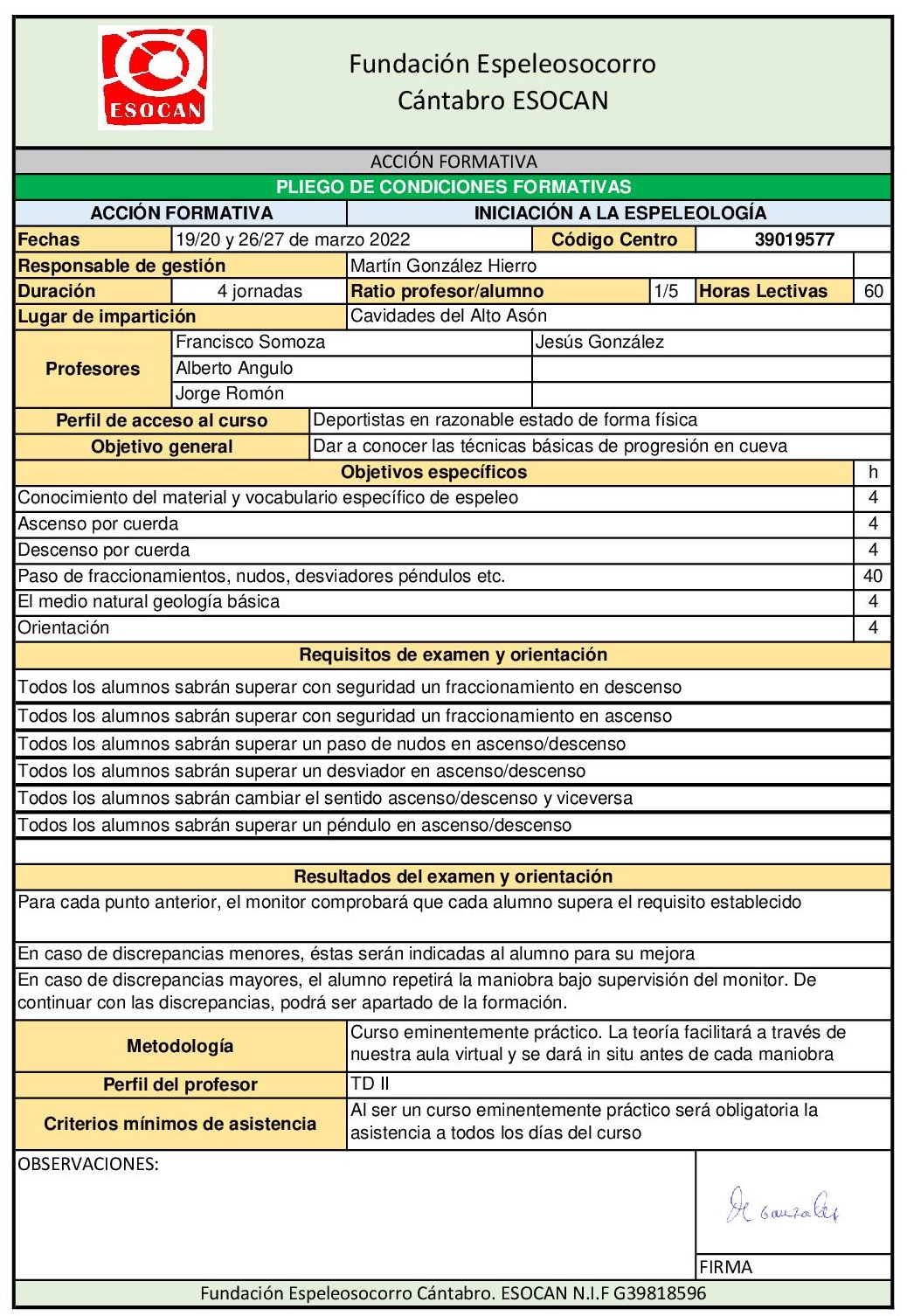
Curso de iniciación a la espeleología 2022

Nueva propuesta formativa, dirigida a los que desean iniciarse en este deporte (o para los que lo hicieron y están muy oxidados)

Fechas: 19/20 y 26/27 de marzo. Ramales de la Victoria. Cantabria. España.

Contenido del curso:

Fecha límite de inscripción 17/03/2022

Edad mínima 16 años.

Precio: 150 €

Voluntarios ESOCAN 75 €

Forma de pago:

Bizum al 667701623

Transferencia bancaria a: cuenta TRIODOS ES04 1491 0001 2421 4922 4327  indica nombre y curso iniciacion

A través de nuestra plataforma de pago:

Para voluntarios ESOCAN

Inscripciones:

Rellena este formulario:

El material individual para la práctica de la espeleo corre por cuenta de la Escuela de Espeleología. La ropa el calzado, desplazamientos y comida por cuenta de los alumnos.

Os esperamos.

Publicado en Formación | Comentarios desactivados en Curso de iniciación a la espeleología 2022

Garmaciega international camp.

Event sponsored by Luca Chiarabini Memorial. This sponsorship has been granted in the framework of the LUCA MEMORIAL PHOTOGRAPHY COMPETITION, world edition thanks to the authors of the winning photos who have voted for the Garma Ciega International Camp to be sponsored. And special thanks to Juan Ignacio Montero Martín for his support to this candidacy.

On the occasion of UNESCO’s celebration of the International Year of Caves and Karst, of which we are «partners», we are going to programme a series of interesting activities.

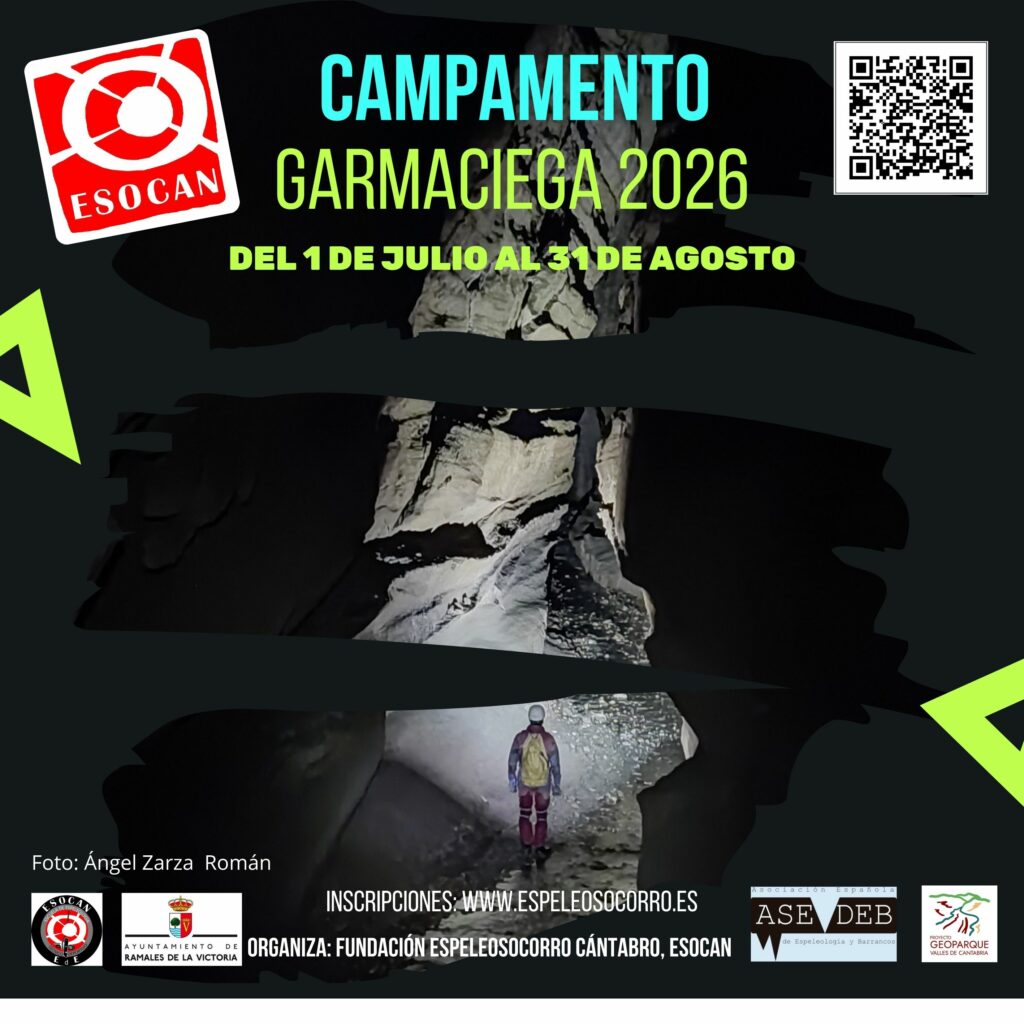
One of these activities will be the celebration of an International Camp that will aim at Garma Ciega.
In 2020 four ESOCAN volunteers participated in the Berger 2020 camp organised by Remý Limagne and the French Caving Federation. One of the objectives of our participation was undoubtedly to do some good caving. The other was to know first hand (benchmarking) what they do so successfully in Villard de Lans, taking the Gouffre Berger as a reference.

Undoubtedly, the main objective with which we set up the Fundación Espeleosocorro Cántabro, ESOCAN, was to provide legal coverage to a group of people who are loyal and disinterested in cave rescue. But we immediately realised that we could be a very good tool for the training of speleologists through our School of Speleology.

The good reception that this Foundation has had in the Alto Asón region makes us indebted to the support and recognition that the people of the region give us. So much so that we feel committed to the development of the region and the fight against the depopulation that inland Spain has been suffering.

From the very beginning, it was clear to us at the School of Speleology that training can be a powerful tool for local development. Thus, in 2016 we presented our strategy for the development of tourism in the Alto-Asón region at FITUR.
In essence, the strategy consists of training professional guides who know our natural resources in such a way that, by attracting clients from their place of residence, they can bring them here to carry out their activity.

More recently, in 2018, we presented our GeoKarst project in collaboration with the Cantabrian Valleys Geopark project, a candidate for UNESCO World Geopark, aimed at highlighting our geological heritage, both superficial and subterranean, associated with karst. We hope this project will see the light of day this spring.

This same year 2018 we collaborated with the University of Cantabria in the Design of the Marketing Plan for Cantabria as a Speleological Tourism Destination.

In the diagnosis made in this study, a series of opportunities appear based on international orientation, positioning in caving tourism and the development of caving products by levels of difficulty.

In the same document a series of strengths are detected based on the practice of speleology and the positioning that the Alto Asón region has among Spanish speleologists, but at the same time the low level of knowledge that foreign speleologists have of our potential.

The objectives of the aforementioned marketing plan include the segmentation of the sport of caving into three segments: a segment that is already provided for by active tourism companies in the region and surrounding areas. Another «classic» segment is provided for by sports clubs, and a third segment that was once catered for by clubs and which has been abandoned in the region for some time now, that of speleological activity on large verticals that are not considered to be traverses.

The aim of this project is to develop a high-level sporting activity, facilitating logistics for the participants and encouraging the practice of «committed» caving. Going down to the Garma Ciega siphon or doing the Cellagua-Garma Ciega traverse or vice versa involves a high level of technical, physical and psychological commitment. It is not an activity for everyone. It is aimed at athletes with a good physical, technical and psychological preparation, which will require detailed planning. We provide the infrastructure: bivouac, ropes, anchorages, etc. However, this does not negate the need for the participants to make a responsible and objective self-assessment of their abilities and a careful planning of the activity.
I am interested and would like more information

Organised by:

Fundación Espeleosocorro Cántabro, ESOCAN


Publicado en Sin categoría | Comentarios desactivados en Garmaciega international camp.

Information camp Garma Ciega

International Camp:

Dates: 1-31 July 2025.

The Cave Rescue Foundation of Cantabria (ESOCAN) shall place the vertical progression ropes at the entrances to Garma Ciega and Cellagua some days before the international camp takes place. A bivouac for 10 people will also be set up in the Sala de los Titanes.

Participants are required to registrar prior to the event. They must have a sports card that can cover any rescue task, or a private insurance.

Garma Ciega and Cellagua belong to the Mortillano System, the second largest cave system in Spain (140 km. development). It is also the system with the biggest height difference in the upper course of the Asón river, reaching -930 at the siphon of Garma Ciega. Both caves join at -450, at the Sala De los Titanes.

REGISTRATION

The registration fee is 25 €. The money will be used to purchase and replace the ropes needed for the camp.

Registrations are done on an individual basis, but within a team. You’ll need to fill in the following web form.

REGISTRATIONS

Registrations will be considered complete only when payment has been confirmed.

Payment can be made through our payment platform: click on the photo.

Or via bank transfer to our TRIODOS Bank account:

ES04 1491 0001 2421 4922 4327

Should the access to the caves be suspended due to bad weather conditions, the registration fee will not be refunded.

The maximum number of people authorised to enter by each one of the entrances is 10, on a ‘first-come-first-served’ registration basis. Once the number has been reached, those dates will be closed.

Preference for bivouac will be given to groups coming up from the Garma Ciega siphon.

Participants will need to coordinate in order to share the bivouac, keeping in mind that maximum capacity is set at 10 people.

Prior to entering the cave, on the afternoon of the previous day, participants must show up at the ESOCAN FUNDATION Office in Ramales de la Victoria, in order to have the entrance and (approximate) exit dates and times recorded, as well as the objective pursued. Once out of the cave, the organisation must be notified.

This is a high level activity, so participants must be aware of the risks involved.

Cellagua:

In summer water conditions, you get wet at the P80 base and at the P58 base in the Cellagua Canyon. If the external weather is very wet, water will fall from the top of the P80 to the bottom of P58., progression can be difficult or impossible.

Cellagua Sink: X: 454.427 / Y: 4.786.363 (EPSG 25830)

Arrival point with vehicles. 

Powered by Wikiloc

Track to the Cellagua Sink:

Garma Ciega

Garma Ciega X:  454.022  / Y:  4.786.895    (EPSG 25830)

Track to Garma Ciega

Powered by Wikiloc


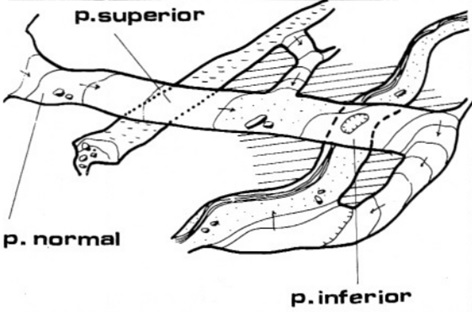
This is the original profile of Balart’s topography. Until the Comedor, the survey doesn’t change. From there on, a side track gets you to the Sala Blanca.

If the weather forecast justifies it, access to the caves might be forbidden as long as the rainfall risk remains.

In case of rainfall, progression from the Sala Blanca to Titanes might be severely compromised.

TIPS AND ADVICE

Plan your activity in advance, carefully and systematically. Check, adjust and prepare your equipment in detail. This is an activity with a high degree of commitment.

There will be no base camp; participants are free to choose their accommodation in the villages of the upper course of the Asón river. Click on the picture to plan your trip.

Reception and information on entrances and exits will be centralised at the ESOCAN  Foundation in Ramales de la Victoria.

Bad weather conditions might condition the activity. These are caves with an active water course, which, in case of water fall, could block the exit. There are areas that are especially dangerous in the event of a rising in the river level (Gallery of La Ratonera, etc.).

Go in the cave only if you are physically, technically and psychologically fit.

All participants, in addition to their personal, full vertical progression equipment, must carry a thermal blanket, food, lighting and warm clothing in order to withstand the temperatures inside. It might also be interesting to carry a portable stove, sbit and alcohol gel.

The minimum group size to go in the caves is 2 people, 4 being the ideal. Groups of more than 6 people might slow down the progress.

All participants must be familiar with self-rescue techniques.

It is recommended that every participant carries a 12/13 spanner.

No one should be left alone; the group will adjust the speed to the slowest member.

Each participant must take their waste out of the cave and leave the bivouac in a perfect state.

Every participant must, within their means, help any team in trouble, even if it might compromise the objective of their activity.

Out of courtesy, priority with ropes will be given to the climbing team.

A the Titanes bivouac, priority will be given to the team coming up from the siphon.

Any damage detected in the facilities should be reported to ESOCAN, in order to get it replaced it as soon as possible. The replacement might be entrusted to a participating team, if they accept it.

Can you drink water from the underground river? This is a personal choice; it is water that has not been treated, but it might be used. All along the cave there are water inflows where fluids can be replenished.

How to manage possible jams at the first vertical section of the entrances? Firstly, plan the timetables in advance, talking to the different teams. Getting up early is a good principle of prudence.

At the Titanes bivouac, at -500, there will be awnings for 10 people using mats, but not sleeping bags, gas or food. There also be a waterproof container with a “complete” first-aid kit, which should be respected for the benefits of participants.

Don’t forget to inform of any damage in the facilities on your way out.

Once outside, you should notify the organisation about it following the established channel.

In the event of bad weather conditions, the organisation may temporarily close the access to the caves.

Authorised routes to follow are CellaguaGarma Ciega (and vice versa) and the way down to the Garma Ciega siphon. Any other plan must be notified and authorised by the organisation. Leaving these tracks might complicate any posible rescue.

Quitting is the most intelligent decision you can make in case of fatigue, too long hours, etc. The goal of these activities is not reaching the siphon but going back home having enjoyed the whole process.

Publicado en Sin categoría | Comentarios desactivados en Information camp Garma Ciega